A Work Backpack: Laptop Sleeve, Back Panel and Load
A commute backpack lives or dies on three details a spec sheet buries: the laptop sleeve, the back panel, and how the loaded weight rides on your shoulders.
Reviewed by Maya Ellis · Updated Sep 20, 2026
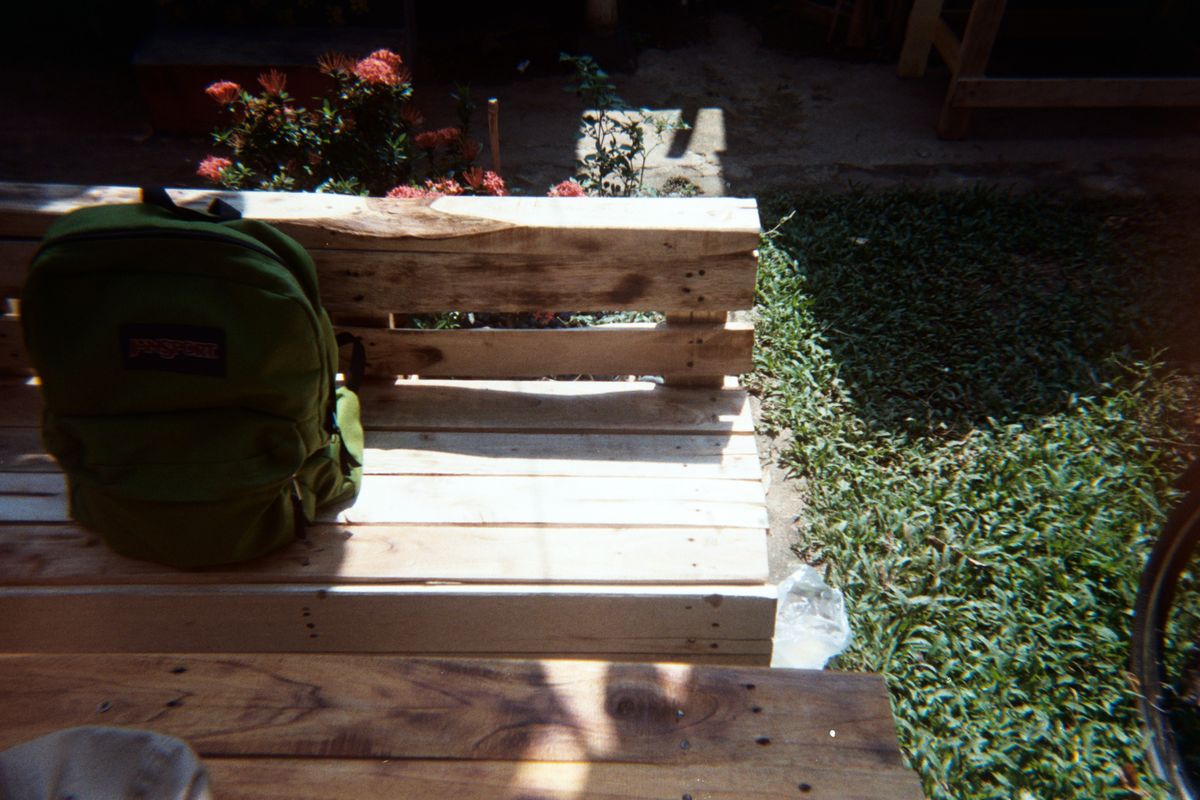
A work backpack is judged less by its litre number than by three details the marketing copy skips: the laptop sleeve, the back panel, and the way the load sits against your spine. A 20-litre bag from two brands can feel like two different objects depending on those three.
Capacity, and the laptop sleeve inside it
For a daily commute — laptop, charger, a notebook, lunch, a compact umbrella and a water bottle — 18 to 25 litres is the working range. The litre figure is less useful than the sleeve: measure your laptop’s body width and height, not the screen diagonal, because the diagonal ignores bezel and thickness. A 14-inch laptop is typically about 31 × 22 cm; a 16-inch about 36 × 25 cm. A sleeve listed as “fits 16-inch” that is only 34 cm wide will pinch a 36 cm body, so check the interior dimensions the way you would interior width on a tote. A suspended sleeve — one that does not touch the bag’s back wall — protects the laptop when you set the bag down.
The back panel is the comfort you feel
A flat panel of foam presses a hard edge into your back on a long walk; a ventilated panel with channels or a slight mesh standoff lets air move and keeps the load off your spine. The shoulder straps should be at least 5 cm wide and padded, angling in toward the centre rather than running straight down, so the weight pulls in instead of sliding off. A sternum strap is not a gimmick on a heavy load — it stops the straps from sliding outward when the bag is full.
Where the weight rides
A bag that loads from the back, closest to your body, carries steadier than one that loads from the front and leans you backward. A slim internal frame or a stiffened back sheet keeps the load flat against you instead of bowing. For a laptop and a bottle, total loaded weight lands around 3 to 4 kg; above that, a padded hip belt stops the shoulder straps from digging in, the same logic a travel carry-on uses to stay within a weight limit.
Material and weather
Ballistic nylon and recycled polyester resist scuffs and shrug off a drizzle; a leather panel looks better with age but adds weight and wants care, much like a leather tote for a laptop. A water-resistant coating and a covered or hidden zipper channel keep a rainburst out of the main compartment. If you bike, look for a reflective strip or a lash point for a light.
Pick the sleeve for your laptop’s real dimensions, the panel for your walk, and the load path for the weight you actually carry.
FAQ
- How many litres should a work backpack be?
- About 18 to 25 litres covers a laptop, charger, notebook, lunch, an umbrella and a bottle. The litre number matters less than the laptop sleeve dimensions, which should match your laptop's body width and height rather than its screen diagonal.
- What makes a backpack comfortable for a long commute?
- A ventilated back panel with air channels, shoulder straps at least 5 cm wide that angle toward the centre, and a sternum strap on a heavy load. These keep the weight on your back instead of letting it slide off your shoulders.
- Ballistic nylon or leather for a commute backpack?
- Nylon or recycled polyester resists scuffs and rain and stays light; leather ages well but adds weight and needs care. For daily commuting, a synthetic shell is the lower-maintenance choice.
Maya Ellis
Writes about garment construction, leather goods and footwear specs. Started in retail floor management before moving to editorial research. How we research.