Hard Shell vs Soft Roller: Weight, Repairability and Warranty
Hard shells protect contents and soft shells survive damage better. How shell material, repair access and warranty wording decide which roller lasts.
Reviewed by Maya Ellis · Updated Sep 5, 2026
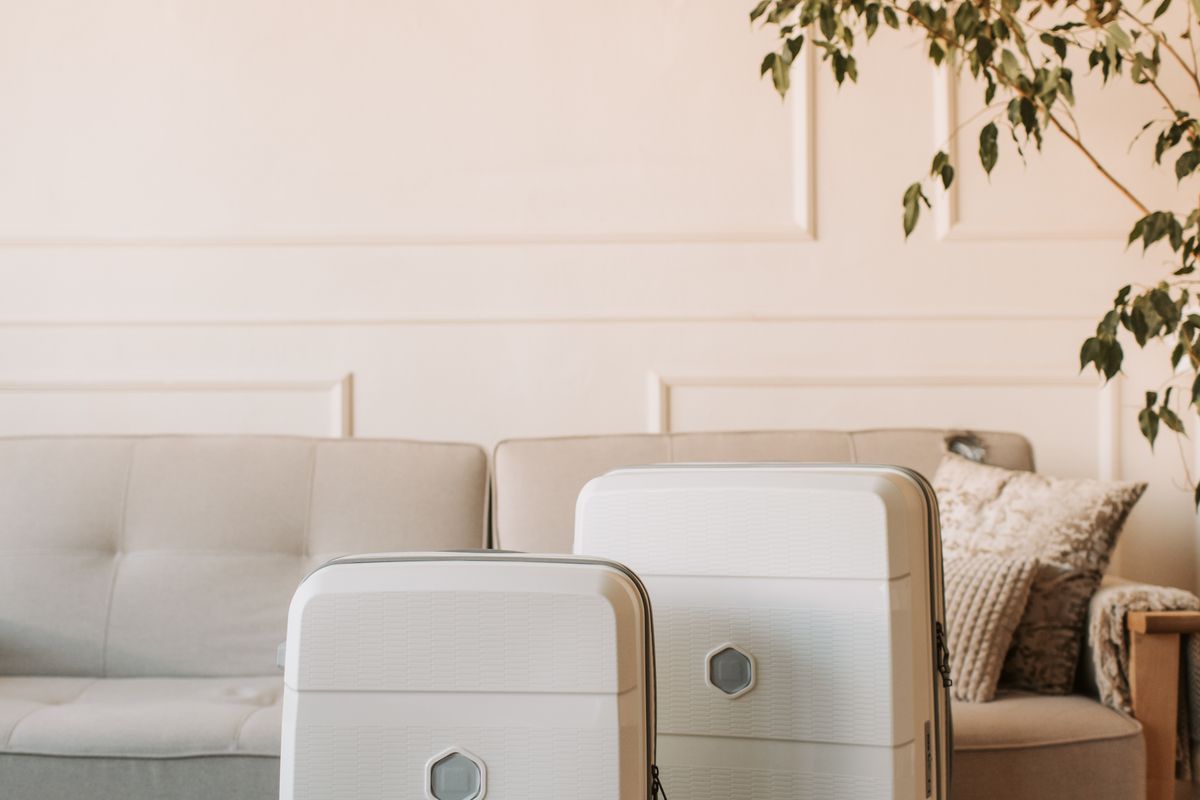
A hard shell protects what is inside it and a soft shell protects itself, and the difference shows up the first time a bag is dropped. Neither design is more durable in the abstract. They fail in different places, and the warranty wording says which failure the brand expects to pay for.
Polycarbonate, polypropylene and ABS
Polycarbonate is the shell material at this price band, chosen because it flexes on impact and springs back rather than cracking. Polypropylene is more flexible again and resists scratching better, though it is often blended rather than used alone. ABS is the older, cheaper option: stiffer, and generally the one that cracks first in cold weather. No brand publishes a drop rating for the shell itself, so treat material as a tendency, not a specification.
Weight is the column that gets revised most often: Monos publishes 7.01 lb on its US and UK pages and 6.60 lb on its EU page for the same bag.
Three rollers and what each is for
Monos Carry-On is the lightest hard shell here at 7.01 lb, with a 39.9 L interior and a limited lifetime warranty naming the shell, zippers, handles and wheels. Cosmetic scuffs sit outside that cover, and this model does not expand.
Away The Carry-On weighs 7.5 lb with a 41 L interior and carries the longer support commitment of the two: repairs continue for the life of the bag, the first five years are complimentary, and shipping stays covered. The shell is 100% polycarbonate; there is no expansion.
Briggs & Riley Baseline Essential Carry-On is the soft one, 10 lb empty, 37 L unexpanded and 48 L with CX expansion. It is also the only bag here whose guarantee states that it repairs airline damage, for life, free of charge.
Where a hard shell and a soft shell fail differently
A hard case keeps its shape, which is the point: a laptop, camera or bottle arrives uncrushed. When it takes damage the damage is structural — a dent, a cracked shell, a hinge that no longer closes — and a dented polycarbonate shell cannot be pressed back into shape. A soft case deforms instead, handing the impact to zips, seams, wheels and handles, all of which are parts a repair centre can swap. That is why a soft bag more often survives a repairable-damage event, and a hard bag more often protects its contents.
What a lifetime warranty actually covers
The wording differs more than the marketing suggests. Briggs & Riley covers airline damage outright. Away’s LifetimeCare covers functional damage from manufacturing defects or unexpected rough travel. Monos covers structural components and excludes cosmetic scuffs. Cosmetic damage is the near-universal exclusion, and labour is the number nobody prints: some guarantees cover parts but not workshop time.
Who pays first matters too. A checked bag is an airline claim under the Montreal Convention before it is a warranty claim, and the reporting window is short, so file before leaving the airport. Damage that happens in the cabin is not the carrier’s responsibility, which is the case a brand guarantee exists to cover.
The parts that actually end a roller
Wheels and telescopic handles fail first. Away publishes handle testing of 1,500 pulls at up to 60 lb, and Briggs & Riley mounts its handle on the outside of the bag and fits self-repairing YKK zippers. Both are admissions about where the stress lands. Carry-on limits by airline covers what the size has to clear, and returns and warranty compared tracks the reporting windows that decide whether a repair is paid at all.
Recommendations
Some links below are affiliate links — we may earn a commission at no extra cost to you.
Pick 01
Away The Carry-On
Easiest to replace USD 275
A polycarbonate hard shell at 7.5 lb with a 41 L interior, and the most domestic of the three on support: repairs continue for the life of the bag, with the first five years complimentary. No expansion, so the packing plan has to be right the first time.
Works
- 7.5 lb empty with a 41 L interior, so the weight is below the Briggs & Riley by 2.5 lb
- LifetimeCare keeps repair support running after the five complimentary years
- Interior 20.1 × 13.9 × 7.5 in, close to the exterior and easy to pack flat
Trade-offs
- No expansion, so an overpacked bag stays overpacked
- A dented hard shell cannot be pressed out, and cosmetic scuffs are not covered
Pick 02
Monos Carry-On
Lightest hard shell here 4.9 out of 5 · 3110 ratings USD 275
The lightest bag in this comparison at 7.01 lb, with a 39.9 L interior, a built-in compression pad and a limited lifetime warranty covering the shell, zippers, handles and wheels. Cosmetic scuffs are explicitly outside that cover.
Works
- 7.01 lb empty on the US and UK product pages, the lowest here
- Limited lifetime warranty names the shell, zippers, handles and wheels
- Built-in removable compression pad and a TSA-accepted combination lock
Trade-offs
- No expansion on this model
- The same bag is listed at 6.60 lb on the EU product page, so the weight figure is not consistent across regions
Rating source: Monos product page, 3,110 ratings
Check current pricePick 03
Briggs & Riley Baseline Essential Carry-On
Only one that covers airline damage USD 729
A soft ballistic-nylon roller that expands to 48 L and compresses back to carry-on size. The warranty is the reason it is here: it covers damage caused by an airline, repairs it free of charge, and asks for no proof of purchase.
Works
- Simple as That guarantee repairs airline damage for life at no charge
- CX expansion adds up to 30 percent of capacity and compresses back down
- Exterior-mounted handle and self-repairing YKK zippers target the parts that fail first
Trade-offs
- 10 lb empty, 2.5 lb more than the Away before anything is packed
- USD 729 costs roughly 2.6 times either hard shell here
Comparison
| Spec | Away The Carry-On | Monos Carry-On | Briggs & Riley Baseline Essential Carry-On |
|---|---|---|---|
| Shell material | 100% polycarbonate hard shell | Polycarbonate hard shell, partially recycled | Ballistic nylon soft shell with impact-resistant corner guards |
| Empty weight | 7.5 lb / 3.4 kg | 7.01 lb / 3.18 kg (EU page lists 6.60 lb) | 10 lb / 4.6 kg |
| Expansion | None; fixed 41 L | None on this model; a separate Expandable Carry-On is sold | CX expansion adds up to 30 percent, then compresses back to carry-on size |
| Repairability | Shell damage goes through LifetimeCare repair; no user-serviceable shell parts | Limited lifetime cover on shell, zippers, handles and wheels; cosmetic scuffs excluded | Zips, wheels and handles are replaceable parts; self-repairing YKK zippers and exterior-mounted handle |
| Warranty terms | LifetimeCare: repair support for life, first five years complimentary, up to one replacement in that window, round-trip shipping covered | Limited lifetime warranty on structural components; cosmetic damage not covered | Simple as That lifetime guarantee: repairs damage including airline damage, free of charge, no proof of purchase needed |
| Price | USD 275 | USD 275 | USD 729 |
FAQ
- Is a hard shell or a soft shell more durable?
- Neither in the abstract. A hard shell takes structural damage that usually cannot be pressed out, while a soft shell deforms and hands the impact to parts a repair centre can replace, such as zips, wheels and handles.
- What is polycarbonate and why is it used for luggage?
- Polycarbonate is a shell polymer chosen for flex rather than stiffness: it deforms on impact and returns to shape instead of cracking. It is the material both hard shells compared here use.
- Does the airline or the warranty pay for a damaged suitcase?
- A checked bag is an airline claim under the Montreal Convention before it is a warranty claim, and the reporting window is short. Damage that happens in the cabin is not the carrier's responsibility, which is the case a brand guarantee exists to cover.
Sources
Maya Ellis
Writes about garment construction, leather goods and footwear specs. Started in retail floor management before moving to editorial research. How we research.