An Everyday Handbag: Capacity, Strap Drop and What Actually Fits
Most handbag specs stop at width and height. The numbers that decide a daily carry are capacity, strap drop and how the compartments use the space inside.
Reviewed by Maya Ellis · Updated Sep 20, 2026
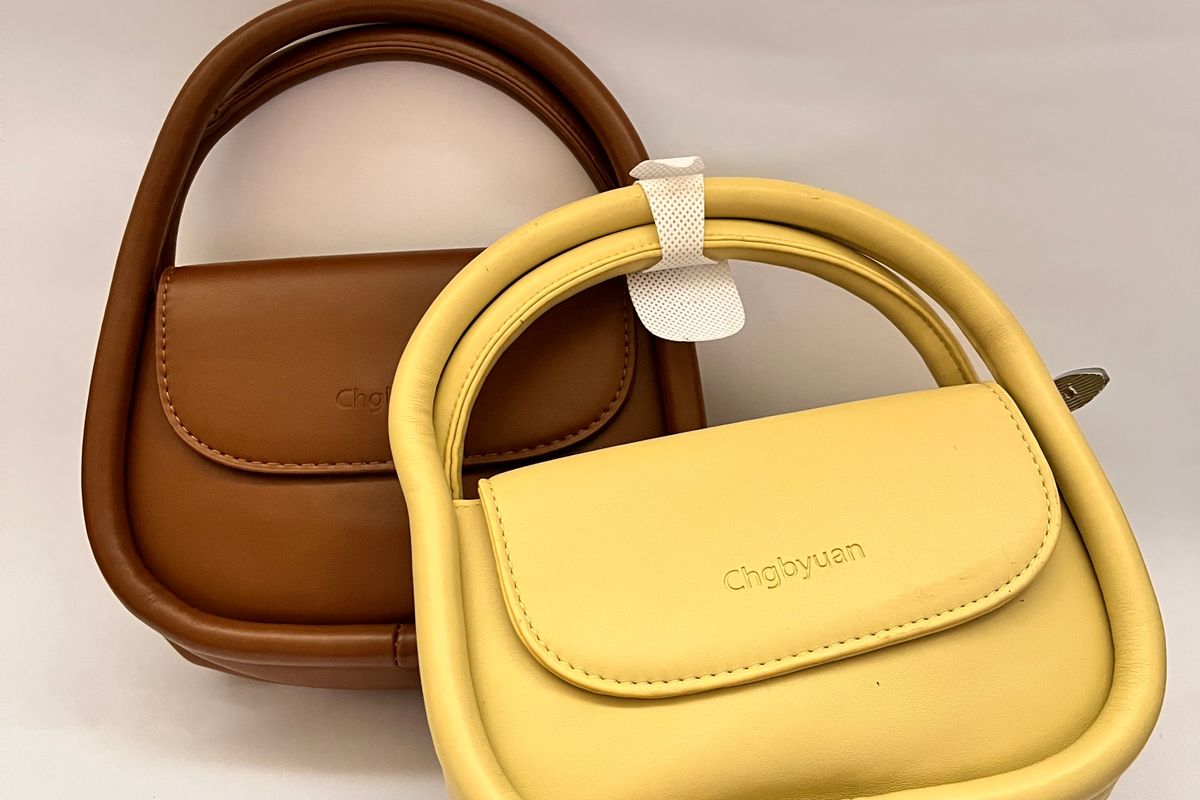
A handbag spec sheet rarely tells you what you actually need to know. Brands print exterior width, height and depth, but those three numbers describe the box, not what fits inside it or how it sits on your shoulder. For a bag you carry every day, three quieter measurements matter more: capacity in litres, strap drop, and the way the interior is divided.
Capacity is litres, not dimensions
Exterior dimensions multiply into a volume that almost never matches the usable space, because padding, seams and taper eat into it. A bag listed at 28 × 22 × 12 cm maths out to about 7.4 litres, but the real capacity is often closer to 5 once the walls are accounted for. For a daily carry — phone, wallet, keys, a small pouch, sunglasses and one paperback — you want roughly 4 to 7 litres; that range holds the essentials without the bag ballooning into a weekender. If you add a 13-inch laptop or a water bottle, step up to 8 to 10 litres, the same bracket where interior width starts to matter because a flat object needs a base wide enough to lie down.
Strap drop decides where the bag sits
Strap drop is the distance from the top of the strap to the top of the bag, and it determines whether the bag rides at your waist, hip or hand. A drop of 18 to 22 cm (roughly 7 to 9 in) sits at the armpit as a handheld or short-shoulder style; 25 to 30 cm (10 to 12 in) falls to the hip as a true shoulder bag; 45 cm (18 in) and up is a crossbody. The same bag with two drop options changes character completely, which is why strap drop is worth checking before colour or logo. Measure a bag you already like and match the drop, rather than guessing from a photo.
How the interior is divided
A single cavernous compartment hides your phone under everything; a bag with one zip pocket, one slip pocket and a key leash keeps the small things findable. Look for a slip pocket tall enough for a phone and a zip pocket deep enough for cards, placed where your hand lands, not at the very bottom. A centre zip divider that opens both ways lets you pack two shallow halves instead of one deep pit.
Material and the weight you forget you’re carrying
Leather ages into the bag’s best version but starts heavier and needs care; a coated canvas or nylon shell stays light and shrugs off rain. Whichever you choose, weigh the empty bag — an 800 g leather bag and a 400 g nylon bag feel identical in the shop and very different after a full day. The care routine for leather is simple but non-negotiable if you want the patina rather than the cracks.
Pick the litres for your load, the drop for where you wear it, and the pockets for what you lose most often. Everything else is decoration.
FAQ
- How many litres should an everyday handbag be?
- About 4 to 7 litres covers phone, wallet, keys, a pouch and a paperback. Add a 13-inch laptop or a bottle and move to 8 to 10 litres, where a wide enough interior base becomes the real constraint.
- What strap drop is a shoulder bag versus a crossbody?
- A drop of 25 to 30 cm (10 to 12 in) sits at the hip as a shoulder bag; 45 cm (18 in) and up is a crossbody. Around 18 to 22 cm rides at the armpit as a handheld or short-shoulder style.
- Is a leather or nylon handbag better for daily use?
- Leather ages well but starts heavier and needs conditioning; nylon or coated canvas stays light and resists rain. Weigh the empty bag, because the difference shows up only after a full day of carrying.
Maya Ellis
Writes about garment construction, leather goods and footwear specs. Started in retail floor management before moving to editorial research. How we research.