Why Your Silver Tarnishes in the Box (and How to Stop It)
What silver tarnish actually is, the everyday materials that accelerate it, and the storage habits that cut it down without buying anything.
Reviewed by Maya Ellis · Updated Sep 16, 2026
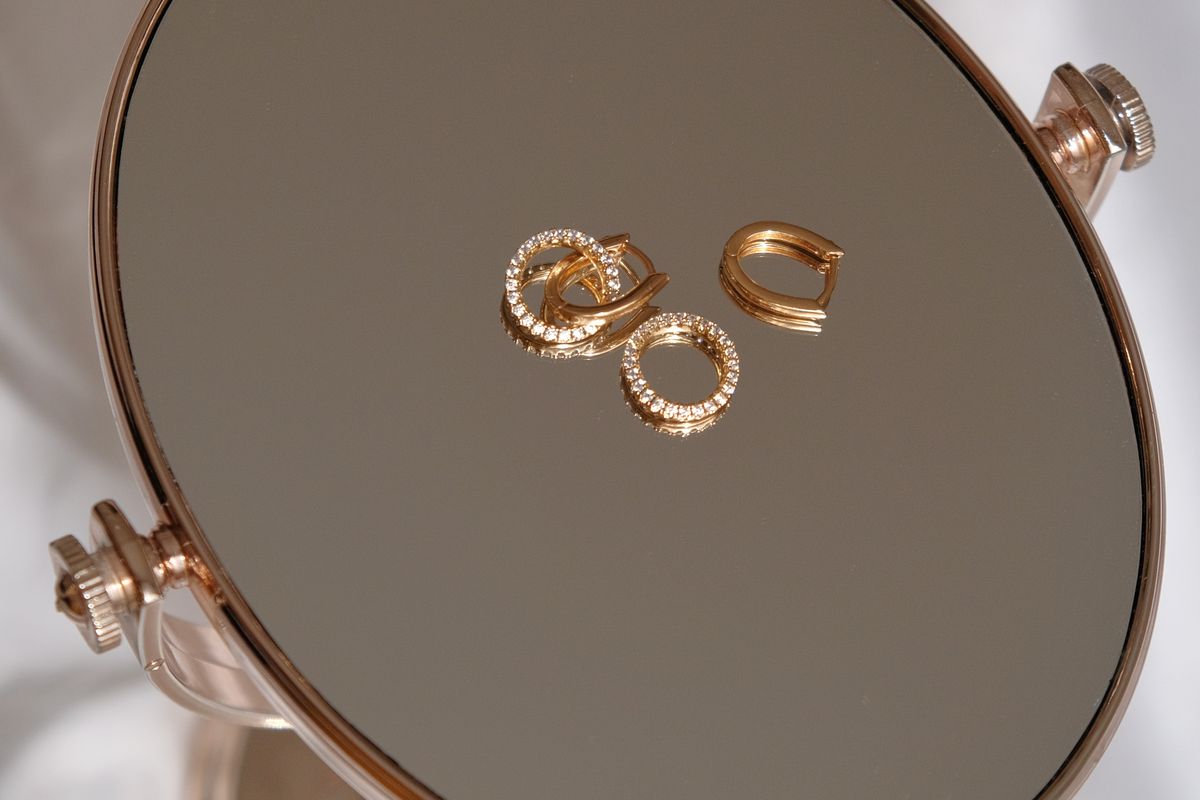
Tarnish is a sulphur reaction, and a jewellery box is often the reactor. Silver left in warm, humid air beside rubber, wool or unsealed wood darkens faster than the same piece worn twice a week — airtight storage beats a pretty display.
What the film actually is
Silver sulphide. Surface silver atoms meet hydrogen sulphide and other sulphur compounds in the air, producing a yellow film that deepens through brown to black. Humidity is the accelerant: moisture lets the reaction proceed, which is why a damp flat tarnishes silver faster than a dry one. The film is a surface conversion, not damage, and takes no meaningful metal with it. Sterling against fine silver explains why the alloy reacts faster.
The accelerants people miss
Rubber and latex are the worst offenders, vulcanised with sulphur and releasing it continuously: a rubber band around a stack of chains produces black marks that resist polishing. Wool and felt come next, and boxes are often lined with them. Unsealed wood and wood-pulp products off-gas organic acids, and plywood releases formaldehyde from its adhesive. Newsprint and some papers carry sulphur residues. Then there is you: sweat pH, cosmetics, sunscreen and hand sanitiser all deposit sulphur compounds on the surface.
Airtight beats pretty, and when it does not matter
The effective setup is unglamorous: a clean, dry piece in a sealed polyethylene bag with the air pressed out, wrapped in sulphur-free acid-free tissue, with a desiccant and a sulphur scavenger inside. Silica gel manages water, not sulphur — half the job. A piece worn most days does not need this; the wear cycle keeps it moving. Long storage is where damage happens, so seal what you are not wearing.
| Method | What it does | Where it fails |
|---|---|---|
| Sealed bag, strip, silica | blocks air, absorbs sulphur and moisture | frequent reopening |
| Silvercloth pouch | sacrificial silver takes the gas first | cloth gets damp |
| Open tray | fine for daily rotation | humidity, nearby sulphur |
| Felt-lined wooden box | presents well | wool emits sulphur |
How cloth and strips work, and when they expire
Silvercloth and similar fabrics are embedded with fine silver particles. Incoming sulphur gases react with that silver before they reach your piece, making the cloth sacrificial — it darkens as it loads, telling you when to replace it. Reactive strips neutralise sulphur compounds rather than only holding them. Published service life runs from six months in a loosely closed box to a year or more in a well-sealed one.
A routine that costs nothing
Wipe each piece with a soft dry cloth before it goes away; this removes the oil film that traps sulphur against the metal. Wear jewellery last and remove it first, so perfume and sunscreen dry before contact. Never seal a damp piece. Keep the box out of the bathroom and the kitchen, where steam and cooking fumes do the most damage. And do not over-polish — abrasive cloths take off a little silver each time. The same care applies to gold vermeil.
FAQ
- Why does silver tarnish in a closed box?
- Because the box is not sealed. Sulphur gases from rubber, wool, wood or the room stay inside.
- Do anti-tarnish strips really work?
- Within limits. They absorb or neutralise sulphur gas, with published lifespans of six months to a year.
- Is it bad to store jewellery in the bathroom?
- It is the worst common choice. Steam raises humidity and deposits sulphur compounds on the metal.
Maya Ellis
Writes about garment construction, leather goods and footwear specs. Started in retail floor management before moving to editorial research. How we research.